
Understanding Trip Insurance

When planning a trip, it is essential to consider trip insurance to protect yourself from unexpected costs and emergencies that may arise during your travels.
Trip insurance is a type of coverage that can provide financial protection in case of trip cancellations, interruptions, delays, or medical emergencies while traveling. It can help reimburse you for non-refundable expenses and provide assistance in emergencies, giving you peace of mind during your trip.
Types of Trip Insurance
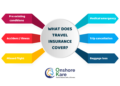
- Travel Cancellation Insurance: Covers trip cancellations due to unforeseen circumstances like illness, natural disasters, or work-related issues.
- Travel Medical Insurance: Provides coverage for medical emergencies, including hospital stays, doctor visits, and medical evacuations while traveling.
- Baggage Insurance: Protects your belongings in case of lost, stolen, or damaged luggage during your trip.
- Travel Delay Insurance: Reimburses you for additional expenses incurred due to flight delays, cancellations, or missed connections.
How Trip Insurance Can Help Avoid Unexpected Costs
Trip insurance can help avoid unexpected costs by providing coverage for various travel-related issues that may arise. For example, if your flight gets canceled due to bad weather, travel insurance can help reimburse you for any additional expenses incurred while waiting for the next available flight.
Similarly, if you fall ill during your trip and require medical attention, travel medical insurance can cover the costs of treatment and hospital stays, saving you from hefty medical bills.
Factors to Consider Before Buying Trip Insurance
When purchasing trip insurance, there are several important factors to consider to ensure you choose the right plan that suits your needs and provides adequate coverage. Here are some key factors to keep in mind:
Coverage Options for Trip Insurance
- Medical Coverage: Ensure the plan includes coverage for medical emergencies, hospital stays, and medical evacuation.
- Trip Cancellation/Interruption: Look for coverage that reimburses non-refundable trip expenses in case of cancellation or interruption.
- Baggage Loss/Theft: Check if the policy provides coverage for lost, stolen, or damaged luggage.
- Travel Delays: Make sure the plan includes coverage for delays due to weather, natural disasters, or other unforeseen circumstances.
Choosing the Right Trip Insurance Plan
- Evaluate Your Needs: Consider factors such as trip duration, destination, activities planned, and pre-existing medical conditions.
- Compare Plans: Get quotes from multiple insurance providers to compare coverage options and prices.
- Read the Fine Print: Review the policy details, including coverage limits, exclusions, and claim procedures.
- Customer Reviews: Look for feedback from other travelers to gauge the reputation and reliability of the insurance company.
Common Exclusions and Limitations
When purchasing trip insurance, it is essential to understand the common exclusions and limitations in the policy to avoid unexpected costs. These exclusions and limitations can vary between insurance providers, so it is crucial to carefully read the terms and conditions of the policy.
Pre-Existing Medical Conditions
- Many trip insurance policies do not cover pre-existing medical conditions, meaning any expenses related to these conditions may not be reimbursed.
- Travelers with pre-existing conditions should look for policies that offer coverage for these conditions or consider purchasing a separate medical waiver.
Adventure Activities
- Some trip insurance policies may exclude coverage for injuries or accidents related to certain adventure activities such as skydiving, scuba diving, or mountaineering.
- Travelers participating in adventure activities should check if their insurance policy covers these activities or purchase additional coverage if needed.
Travel to High-Risk Destinations
- Insurance providers may have exclusions for travel to high-risk destinations or countries with travel advisories issued by government authorities.
- Travelers planning trips to high-risk destinations should review their policy to understand the coverage limitations and consider purchasing specialized insurance for these locations.
Unapproved Transportation or Accommodation
- Expenses related to unapproved transportation or accommodation changes made during the trip may not be covered by some insurance policies.
- Travelers should check the policy details regarding changes to transportation or accommodation arrangements to avoid unexpected costs.
Tips for Maximizing Trip Insurance Coverage

When it comes to maximizing your trip insurance coverage, there are several strategies you can implement to ensure you get the most out of your policy without incurring additional costs. By making smart decisions and understanding the benefits of your plan, you can enjoy comprehensive protection while minimizing out-of-pocket expenses.
Review Your Policy Carefully
- Before your trip, take the time to thoroughly review your insurance policy to understand what is covered and what is not.
- Pay close attention to coverage limits, exclusions, and any additional riders or options you may have added.
- Make sure you are aware of any pre-existing conditions that may affect your coverage.
Book Early and Choose the Right Plan
- Booking your trip and purchasing insurance early can often result in better coverage options and lower premiums.
- Consider choosing a comprehensive travel insurance plan that includes coverage for trip cancellations, interruptions, medical emergencies, and more.
- Opt for plans with higher coverage limits to ensure you are adequately protected in case of unforeseen events.
Keep Documentation and Receipts
- Keep all documentation related to your trip, including receipts, itineraries, and confirmation emails.
- Having detailed records can help expedite the claims process and ensure you receive the maximum benefits from your insurance policy.
- Document any incidents or losses during your trip to provide evidence when filing a claim.
Helpful Answers
What are the different types of trip insurance available?
There are various types of trip insurance, including trip cancellation, trip interruption, and emergency medical coverage.
How can trip insurance help avoid unexpected costs during travel?
Trip insurance can protect travelers from unforeseen events such as trip cancellations, medical emergencies, and lost luggage, reducing the financial impact of these incidents.
What factors should travelers consider before buying trip insurance?
Travelers should consider their destination, trip duration, activities planned, and pre-existing medical conditions when purchasing trip insurance.