
Importance of Business Trip Insurance
Business trip insurance plays a crucial role in safeguarding employees and the company's interests during work-related travel. It provides a safety net for unexpected situations that may arise while employees are away on business.
Coverage of Potential Risks
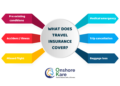
- Medical Emergencies: Business trip insurance can cover medical expenses in case an employee falls ill or gets injured during the trip.
- Trip Cancellation or Delay: Insurance can reimburse the company for any non-refundable expenses if a trip is canceled or delayed due to unforeseen circumstances.
- Lost or Delayed Baggage: Coverage for lost or delayed baggage can help employees replace essential items needed for work.
- Emergency Evacuation: In case of political unrest or natural disasters, insurance can cover the costs of emergency evacuation for employees.
Benefits of Investing in Business Trip Insurance
- Peace of Mind: Knowing that employees are protected in case of emergencies can give peace of mind to both employees and the company.
- Financial Protection: Insurance can prevent unexpected expenses from impacting the company's budget by covering various risks.
- Enhanced Productivity: By ensuring employees' well-being, business trip insurance can help maintain productivity during work trips.
Types of Business Trip Insurance
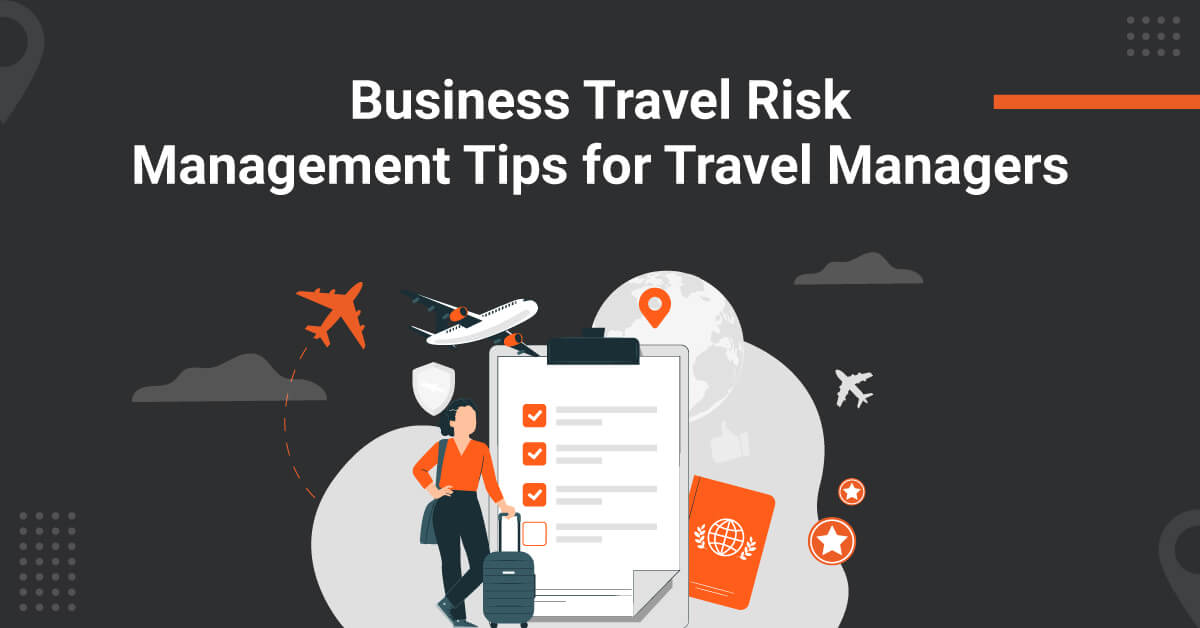
When it comes to insuring your business trips, there are several types of insurance plans available in the market. Each type offers different levels of coverage and benefits tailored to meet the needs of business travelers. Let's explore the various options you can consider for your next business trip.
Basic Business Trip Insurance
Basic business trip insurance typically covers essential aspects such as trip cancellation, trip interruption, and lost or delayed baggage. This type of insurance provides financial protection in case your trip gets canceled or interrupted due to unforeseen circumstances like illness, natural disasters, or other emergencies.
It also helps cover the costs of replacing lost or delayed luggage during your trip.
Comprehensive Business Trip Insurance
On the other hand, comprehensive business trip insurance offers a wider range of coverage compared to basic plans. In addition to trip cancellation, interruption, and baggage coverage, comprehensive plans may include benefits such as emergency medical assistance, evacuation services, and travel accident insurance.
This type of insurance provides more extensive protection for business travelers facing various risks during their trips.
Specialized Insurance for Frequent Business Travelers
For frequent business travelers, specialized insurance options are available to address specific needs and risks associated with frequent travel. These plans may offer benefits like annual coverage for multiple trips, coverage for pre-existing medical conditions, and additional services like concierge assistance and business equipment protection.
Specialized insurance options are designed to cater to the unique requirements of individuals who travel frequently for business purposes.
Travel Risk Management Strategies
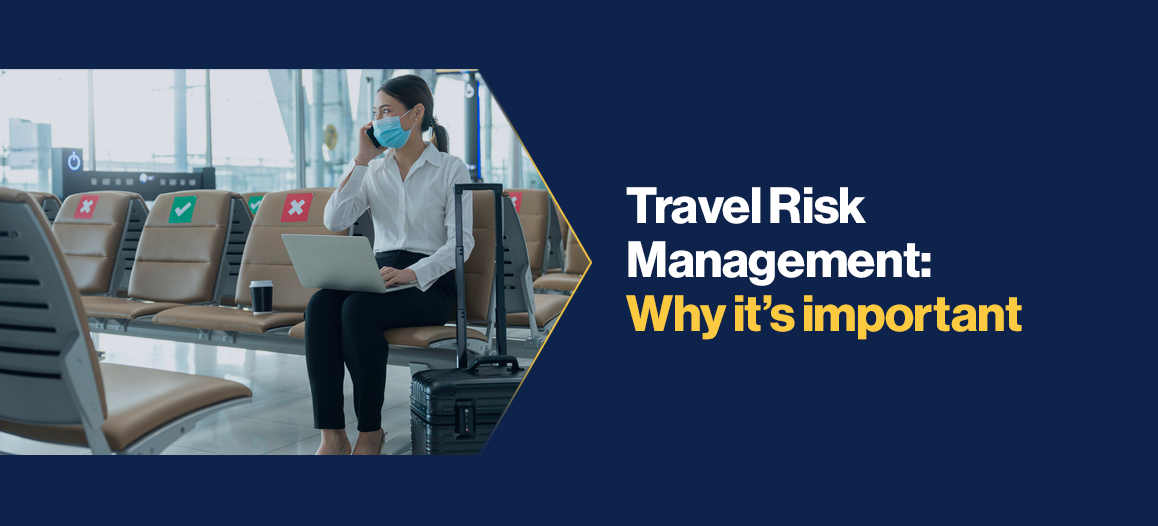
Effective travel risk management is crucial for ensuring the safety and well-being of employees during business trips. By implementing key strategies and thorough pre-trip planning, companies can minimize potential risks and protect their employees. Here are some important strategies to manage travel risks effectively:
Pre-Trip Planning
Pre-trip planning plays a vital role in mitigating travel risks. Before any business trip, employees should conduct thorough research on the destination, including safety and security information, local laws and customs, and potential health risks. Companies can provide employees with pre-trip checklists and resources to help them prepare adequately for their travels.
By ensuring that employees are well-informed and prepared, companies can reduce the likelihood of encountering risks during the trip.
Travel Risk Assessment
Conducting a comprehensive travel risk assessment is essential for identifying potential risks and hazards associated with the business trip. Companies should evaluate factors such as the political stability of the destination, health and medical services available, and the security situation.
Based on the risk assessment, companies can develop contingency plans and protocols to address potential emergencies or crises that may arise during the trip.
Communication and Emergency Response
Establishing clear communication channels and protocols for emergency response is crucial for managing travel risks effectively. Companies should ensure that employees have access to emergency contact information, including local authorities, embassy or consulate contacts, and company representatives. Regular check-ins with travelers during the trip can help companies stay informed about their employees' well-being and address any emerging issues promptly.
Travel Insurance Coverage
Providing employees with adequate travel insurance coverage is essential for mitigating financial risks associated with business trips. Companies should consider purchasing comprehensive travel insurance policies that include coverage for medical emergencies, trip cancellations, and evacuation services. By ensuring that employees are protected by insurance, companies can minimize the financial impact of unforeseen events during the trip.
Training and Education
Training employees on travel safety and security best practices is key to enhancing travel risk management policies. Companies should offer regular training sessions on topics such as situational awareness, emergency response procedures, and cultural sensitivity. By equipping employees with the necessary knowledge and skills, companies can empower them to make informed decisions and respond effectively to potential risks during business trips.
Technology in Travel Risk Management
Technology plays a crucial role in revolutionizing travel risk management for businesses, providing innovative solutions to ensure the safety of travelers. From mobile apps to data analytics, these tools are instrumental in predicting and preventing travel risks.
Mobile Apps and GPS Tracking
Mobile apps equipped with GPS tracking have become essential in monitoring the whereabouts of travelers in real-time. These apps allow businesses to track employees' locations, provide emergency assistance, and send alerts in case of any potential risks.
Real-time Alerts and Communication
Real-time alerts are another key feature that technology offers in travel risk management. These alerts can notify travelers of any security threats, natural disasters, or political unrest in their vicinity, allowing them to take necessary precautions or evacuate if needed.
Data Analytics and AI
Data analytics and AI are used to analyze vast amounts of data to identify patterns and trends that could pose risks to travelers. By leveraging these technologies, businesses can proactively assess potential threats, enhance decision-making, and implement preventive measures to mitigate travel risks effectively.
Top FAQs
What types of risks can Business Trip Insurance cover?
Business Trip Insurance can cover risks such as trip cancellations, medical emergencies, lost luggage, and flight delays.
How can companies enhance their travel risk management policies?
Companies can enhance their travel risk management policies by conducting thorough risk assessments, providing employee training, and leveraging technology for real-time monitoring.
Are there specialized insurance options for frequent business travelers?
Yes, there are specialized insurance options tailored for frequent business travelers that offer additional coverage and benefits suited to their travel patterns.